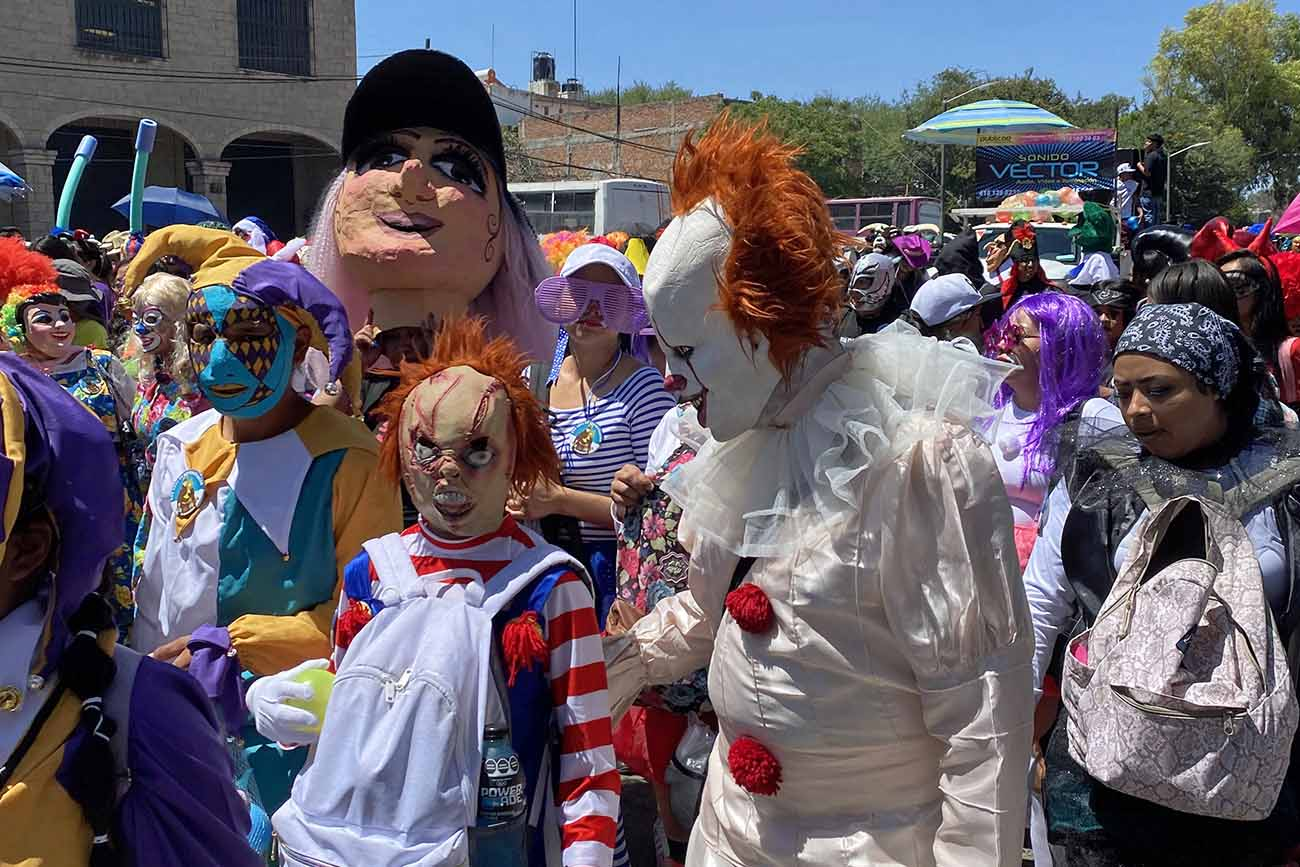
In the past, San Miguel had an abundance of water from various springs, particularly in the southeast parts of the city. Many orchards were planted throughout, including in the areas that are now parks. Pears, apples, plums, and other seasonal fruits were harvested by the hortelanos—gardeners or orchard keepers. Every year during harvest time, the orchard proprietors opened their doors to all the workers and their families to come and eat all that they wanted. There were also religious celebrations in the churches during which people dressed up as gardeners in overalls, boots, long-sleeved shirts, and hats. They all danced in honor of San Pascual Bailón.
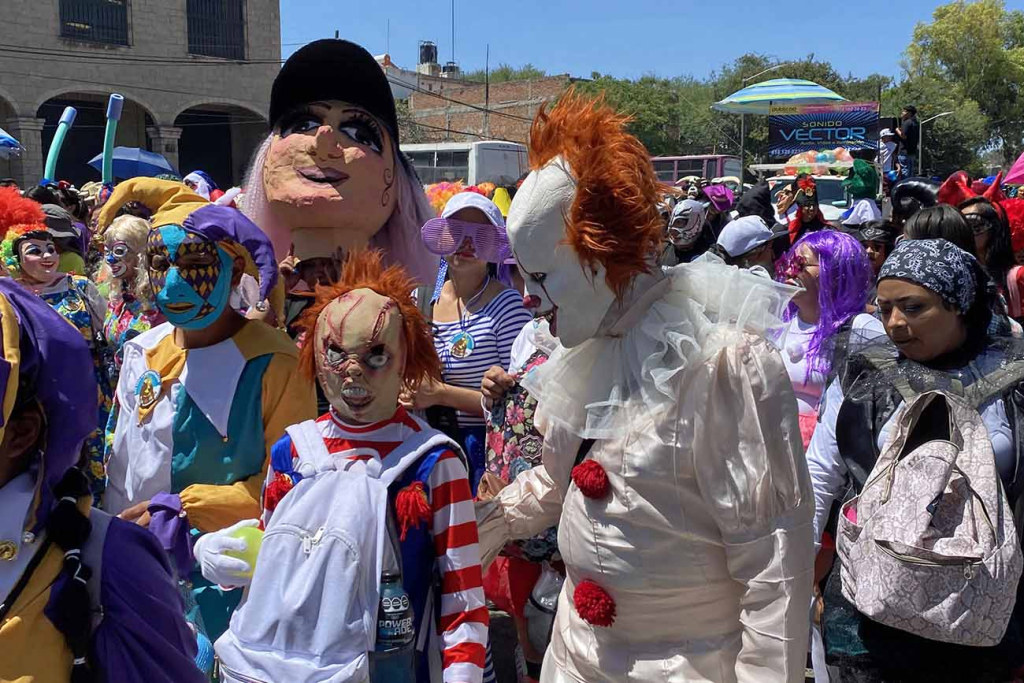
Eventually, others became attracted to the dances and celebrations and started gathering en masse to watch. The gardeners realized that their dance space was being encroached upon and came up with an idea to disperse the public. They put on grotesque masks to scare the others away. They also began to carry animals that might keep people away—skunks, ferrets, pelicans, armadillos, and other strange creatures. And that is why people started calling them “los locos”—the crazies.
It is from these beginnings that the Los Locos parade began, and groups or squads formed to continue the religious festivities as a tribute to San Pascual Bailón. The saint’s festival day falls on the first Sunday following the June 13 feast of San Antonio Padua, who is worshipped in the parish of San Antonio, where his statue was once kept. It has now been moved to the church of San Juan de Dios.
Leave a Review