Long before the Chihuahua became one of Mexico’s most recognizable dogs, another little perro held a special place in ancient Mexican life.
The Techichi (also called Tlalchichi) was a small, sturdy dog kept by the Toltecs more than 1,000 years ago. DNA research has found that modern Chihuahuas retain genetic traces of Mexico’s pre-Columbian dogs, although their exact relationship to the Techichi remains uncertain.
Archaeologists uncovered 27 dogs buried at ancient Tula, a major Toltec city in what is now the state of Hidalgo, north of Mexico City. Among them were smaller, short-legged dogs associated with the Tlalchichi. Ancient dog figurines found at Tula show large, rounded, upright ears, much like those of the modern Chihuahua.
The Techichi was more than a companion in ancient life. Like the Xoloitzcuintli, it was believed to guide souls to the underworld.
The journey to Mictlán was said to be long and perilous, with many obstacles along the way. According to Mexica beliefs, souls had to cross a river, where a dog could help carry them safely to the other side.
Some versions of the legend say dogs refused to help people who had mistreated them during their lifetime.
Dogs were so important to these beliefs that some people were buried with them, allowing their loyal companions to accompany them on that final journey. This belief was also reflected in burial traditions in western Mexico, where people placed ceramic dogs in tombs to accompany the dead.
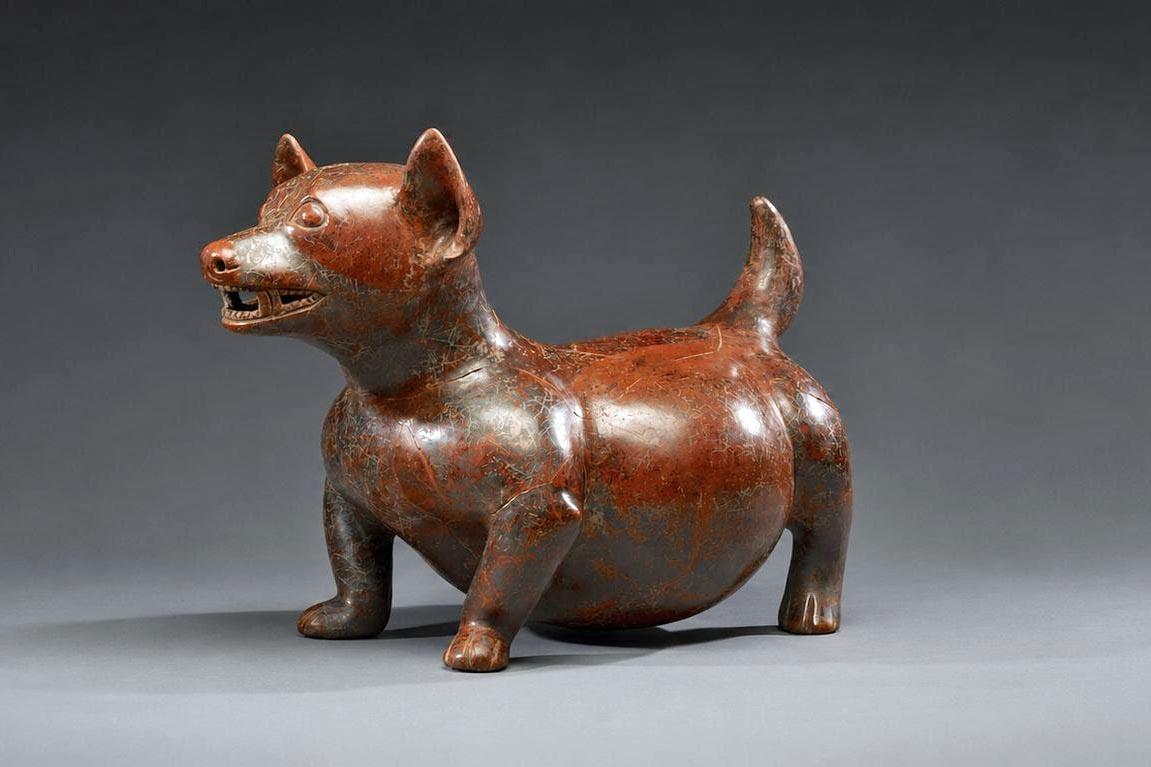
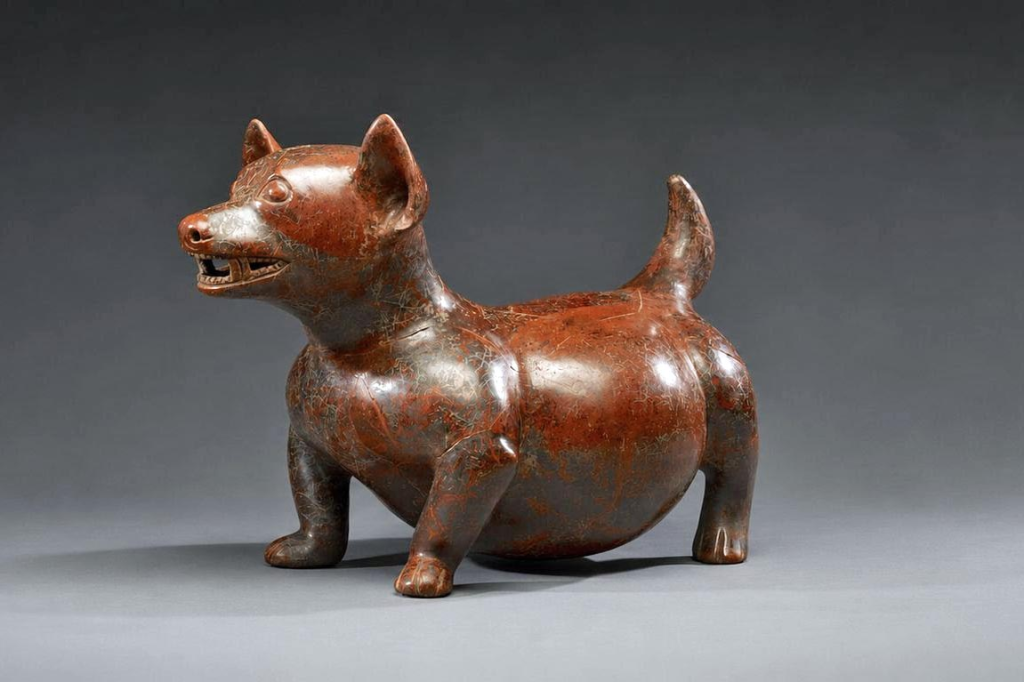
The famous pottery dogs of Colima, dating back roughly 2,000 years, are examples of this tradition. Some are thought to represent Techichis, with their plump bellies and little legs.
The Techichi gradually disappeared as a distinct type after the Spanish conquest, as European dogs arrived and Indigenous traditions changed. But its possible connection to today’s Chihuahua suggests that part of its ancient legacy may have survived.
Leave a Review