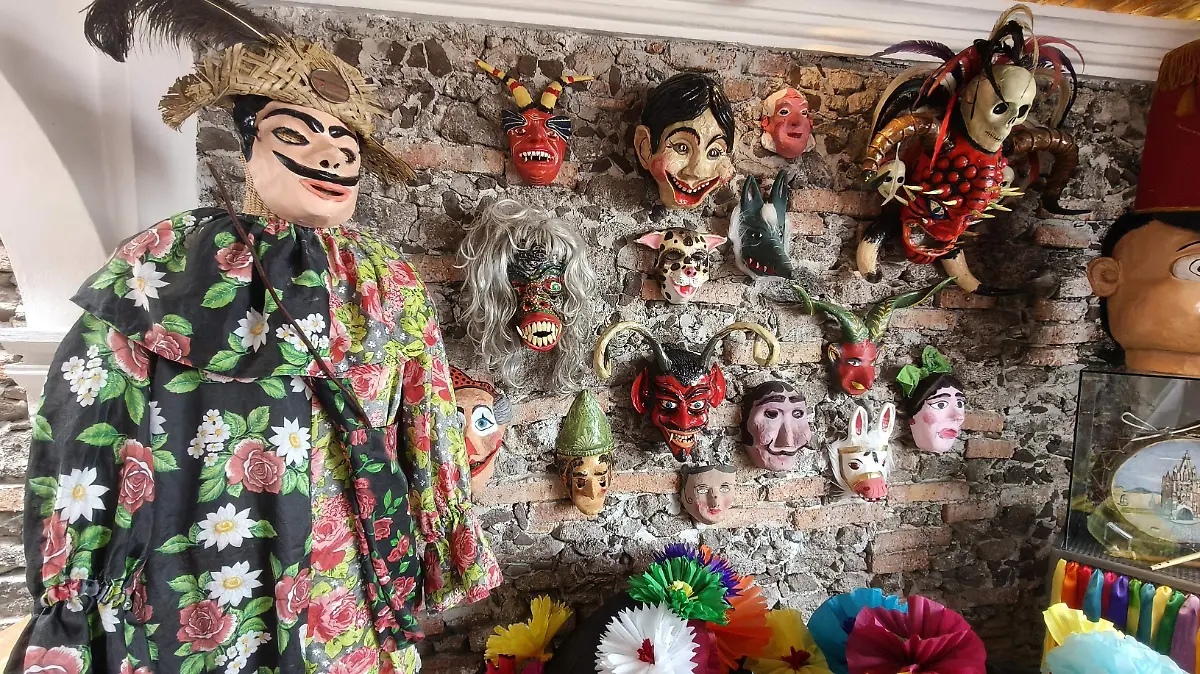
The La Esquina Museum exhibits historical pieces, masks, costumes and a bull from the late nineteenth century that show the evolution of this emblematic San Miguel tradition
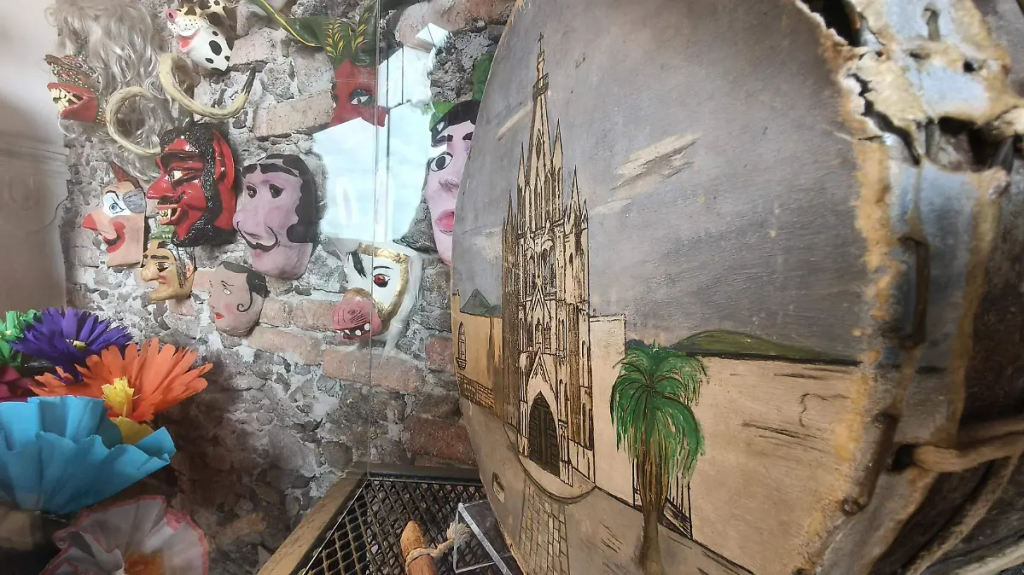
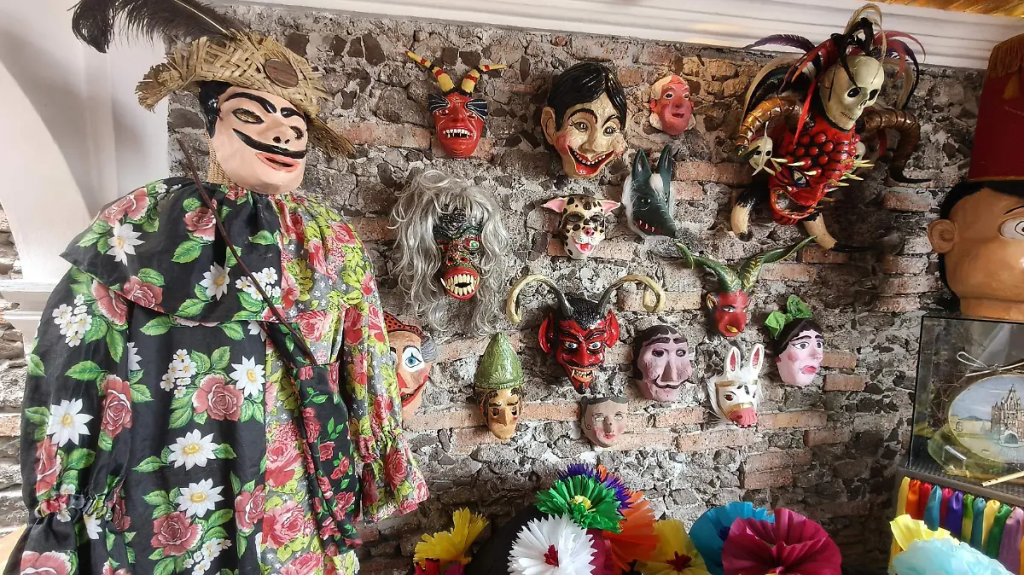
A bull used more than a century ago. A few steps away you can see masks, hats, a quince stick and garments that are part of the history of the Convite de Locos. The pieces tell a part of the transformation of a celebration linked to the work of the field and preserved by generations of San Miguel families.
The temporary exhibition “Hortelanos, the origin of the Convite de Locos”, installed at the Museo del Juguete Popularmexicano La Esquina, brings together objects provided by members of the Cuadro del Parque to document the evolution of one of the best-known traditions of San Miguel de Allende.
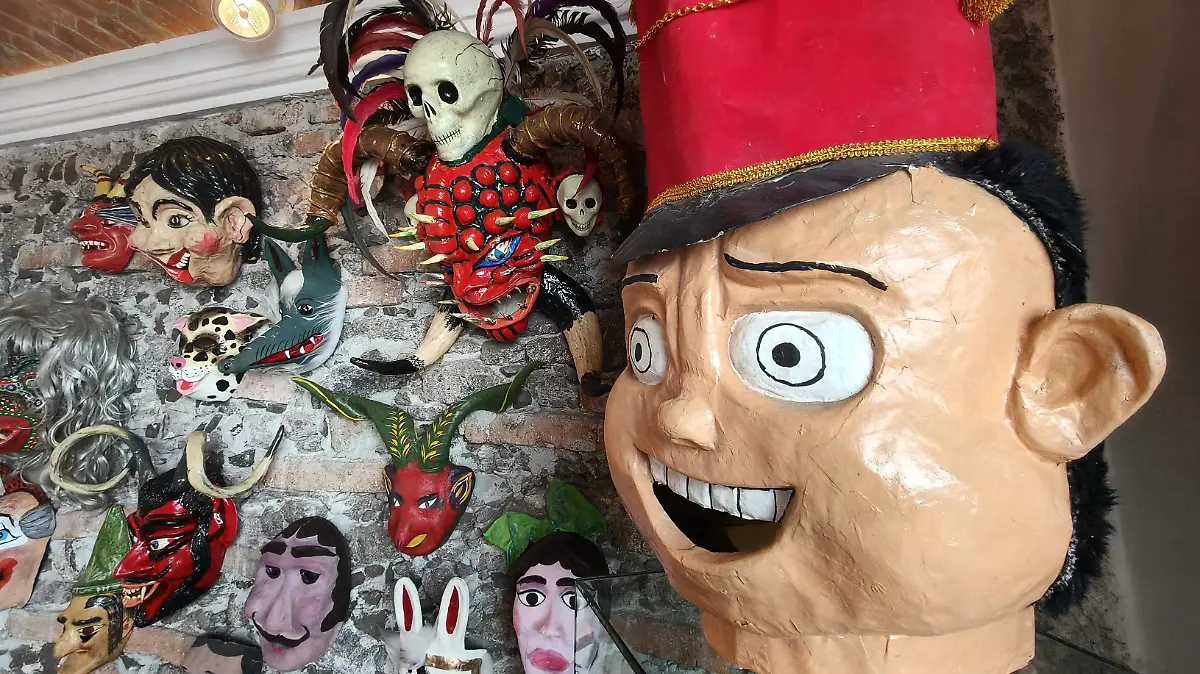
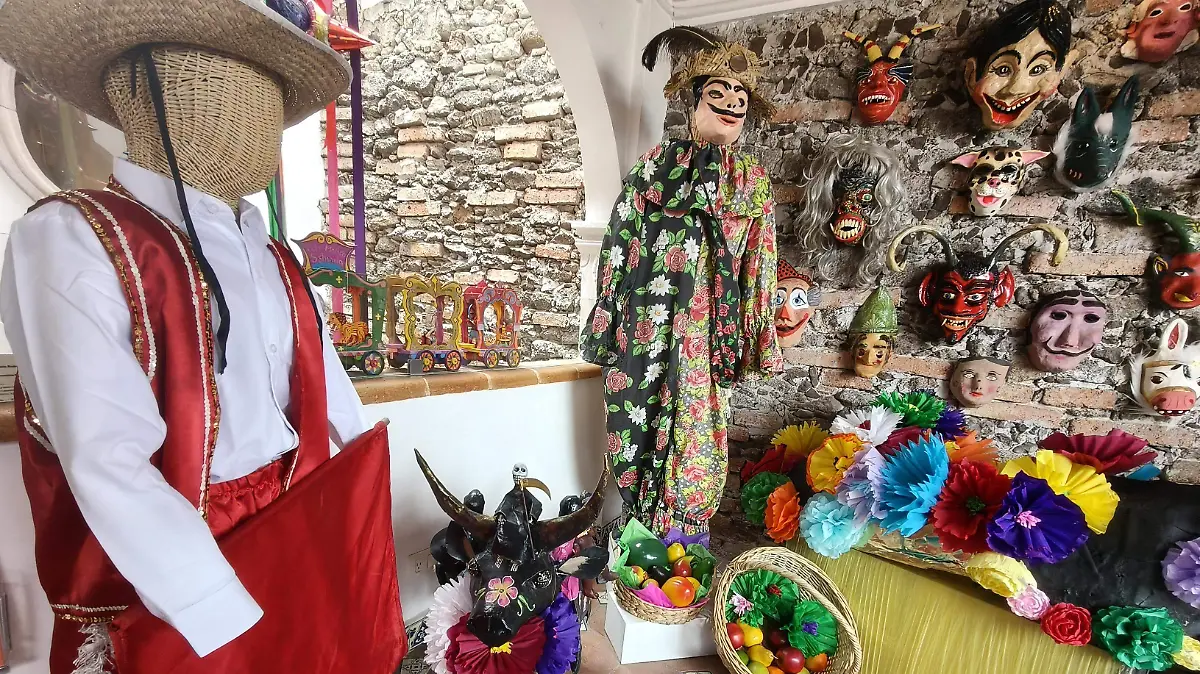
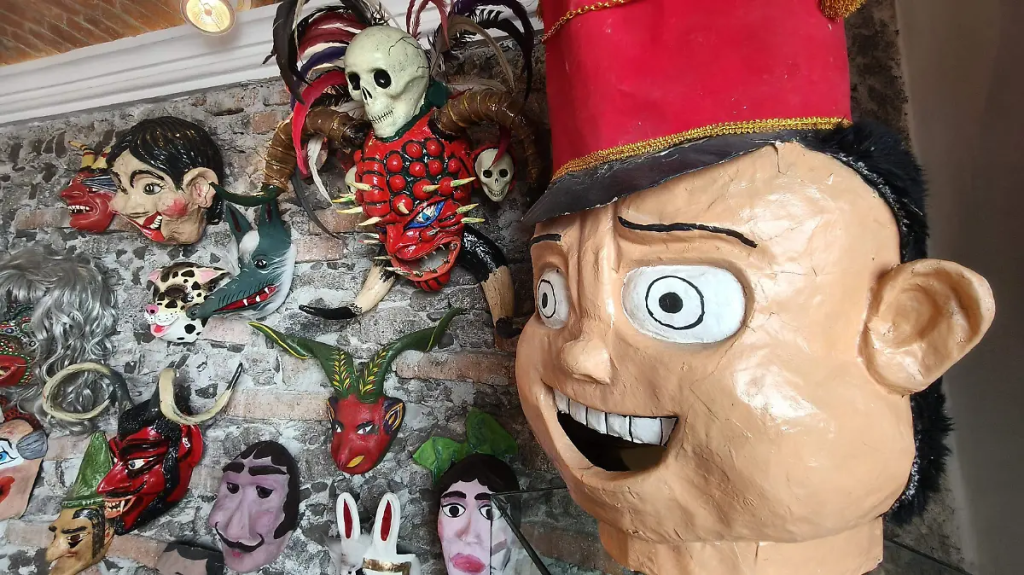
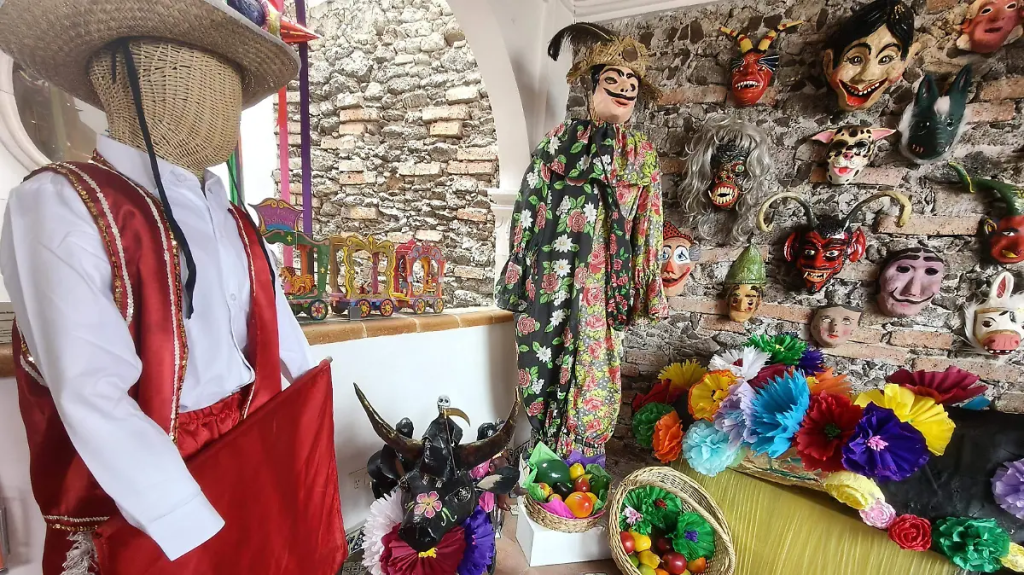
Among the pieces exhibited is a bull from the late nineteenth century, gardeners’ costumes, clothing used by the participants of the banquet and elements associated with the representations that shaped the current celebration.
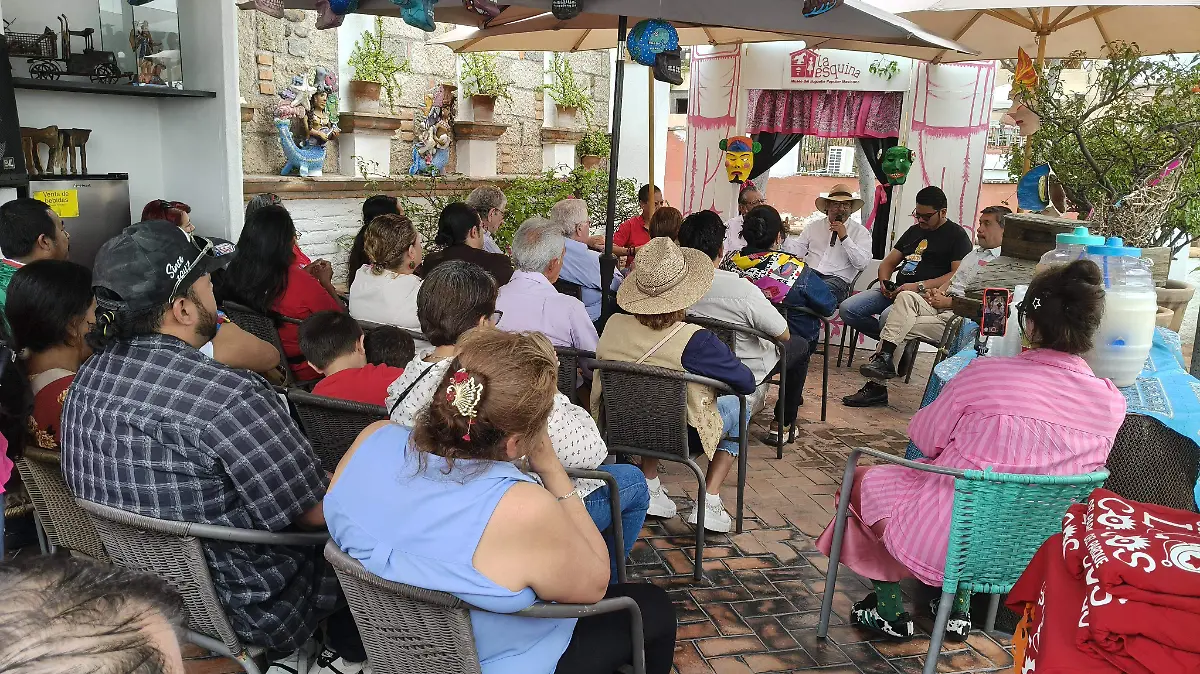
The exhibition arose from a collaboration between the museum and the Cuadro del Parque, an organization that also participated in activities aimed at children to bring them closer to the history of the festivity.
“Well, the collaboration began, an interest of the museum and also of the Cuadro del Parque in preserving our traditions, to give a workshop to the children about their masks, that they make them, that they know how it is done and that they know how they are doing it,” explained Josué Patlán.
The member of the Cuadro del Parque pointed out that part of the pieces exhibited were loaned by members of the group.
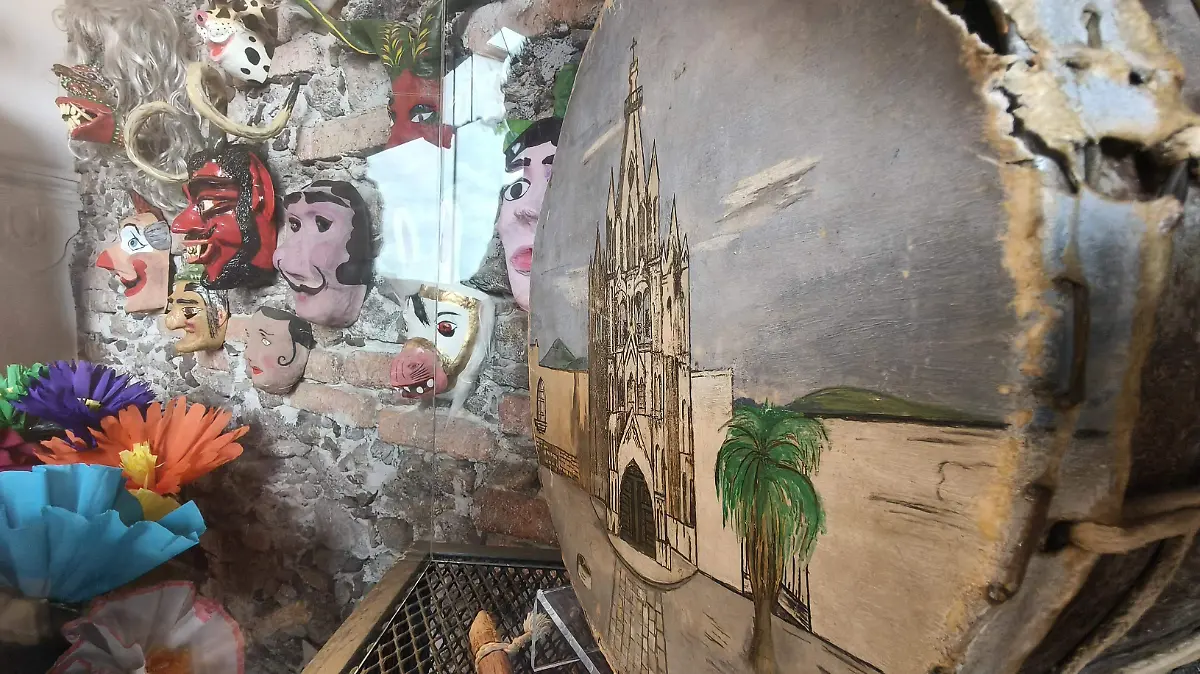
“The painting shared the original bull from the late 1800s, the costume of the gardeners, the costume of the bull, the original clothing of the painting of the fools. What the old madmen were like with their quince stick, their hat and also the little drum that carried the rhythm of everything,” he said.
Each object is part of a story that is passed down from generation to generation. The rod used to open the way through the crowd, the masks made by artisans and the musical elements used during the tours allow us to reconstruct part of the development of the celebration.
“When everything about the banquet is over, we are going to invite the children who participated by making their masks and are going to use them to lend them to us and we are going to put them in another area so that what this tradition of the gardeners has been is more represented,” he said.
In addition to exhibiting historical pieces, the museum seeks to generate spaces where minors can be directly involved with the processes that are part of the celebration.
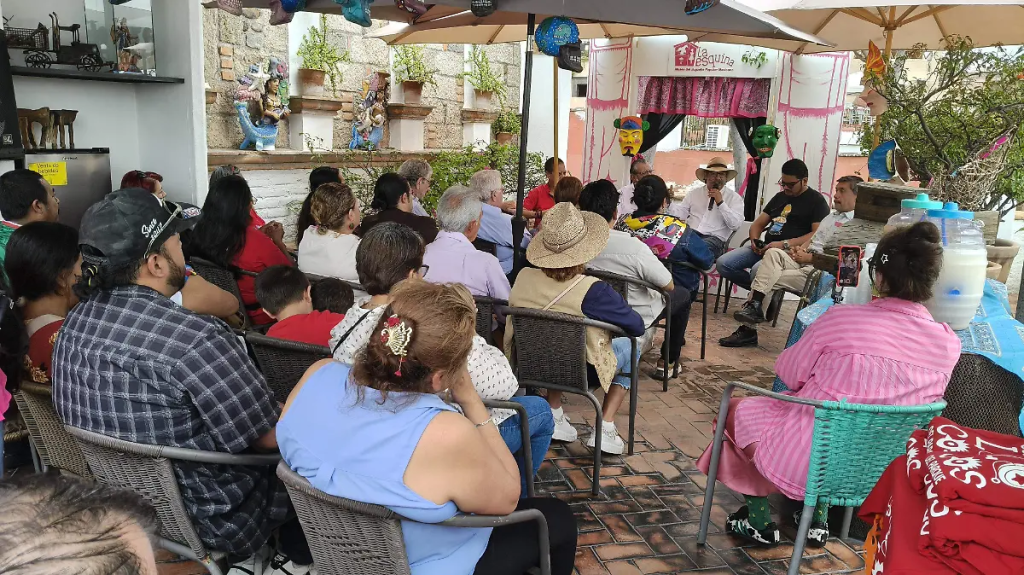
During this week and until June 14, workshops are held for the elaboration of harlequin masks on the terraces of the museum. Later, cardboard activities will continue on Fridays and Saturdays from 11 a.m. to 4 p.m.
The exhibition will also serve to collect more information related to the history of the banquet. The director explained that chroniclers and participants of the tradition have provided data and testimonies that allow documenting little-known aspects of the celebration.
As next weekend approaches, when the streets of San Miguel de Allende will once again be filled with characters, music and tours, the exhibition offers an opportunity to observe what remains behind the parade: the memory of those who have preserved the tradition and the effort to transmit it to the children who will one day take their place in the banquet.
Leave a Review